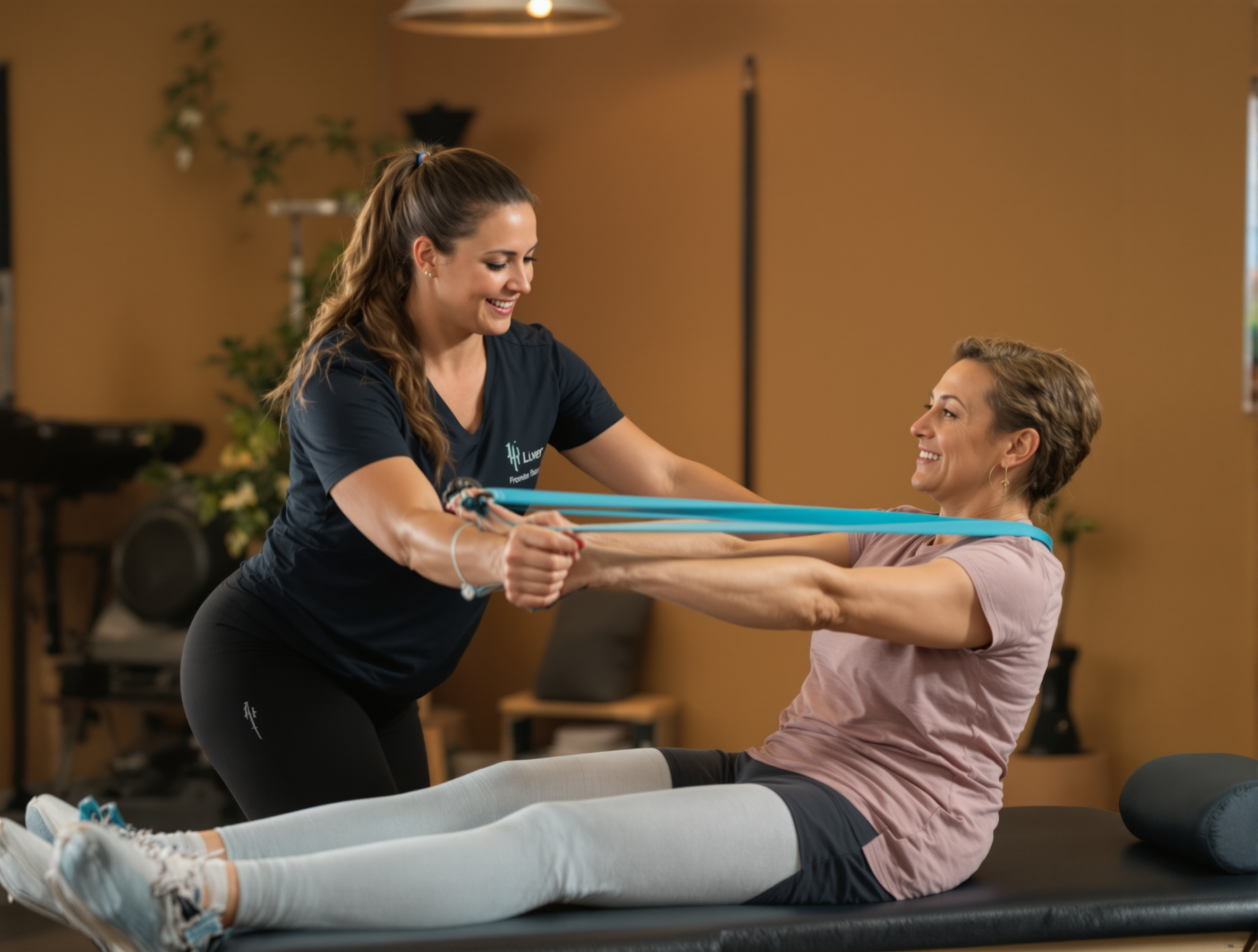
Our Recovery Training Approach
Every recovery situation is unique, but our approach follows consistent principles supported by rehabilitation science:
Comprehensive Assessment
We begin by understanding your injury history, surgical procedures, current limitations, and recovery goals. If you have documentation from healthcare providers, we review it to ensure our programming aligns with medical recommendations. This assessment identifies appropriate starting points and guides program design.
Progressive Loading
Tissue healing requires progressive stress application. Doing too little delays recovery; doing too much risks setbacks. We carefully calibrate exercise intensity and volume to match your healing capacity, adjusting as you progress. The National Strength and Conditioning Association emphasizes that tissues adapt to applied loads when progression is appropriate.
Movement Pattern Restoration
Injuries often disrupt normal movement patterns. Compensatory movements that develop during pain periods can persist even after healing completes. We identify and correct these patterns, restoring efficient movement that reduces injury recurrence risk.
Confidence Building
Physical recovery without psychological confidence remains incomplete. Many people fear their bodies will fail them again. Through gradual exposure to challenging activities in a supportive environment, we help you rebuild trust in your physical capabilities.
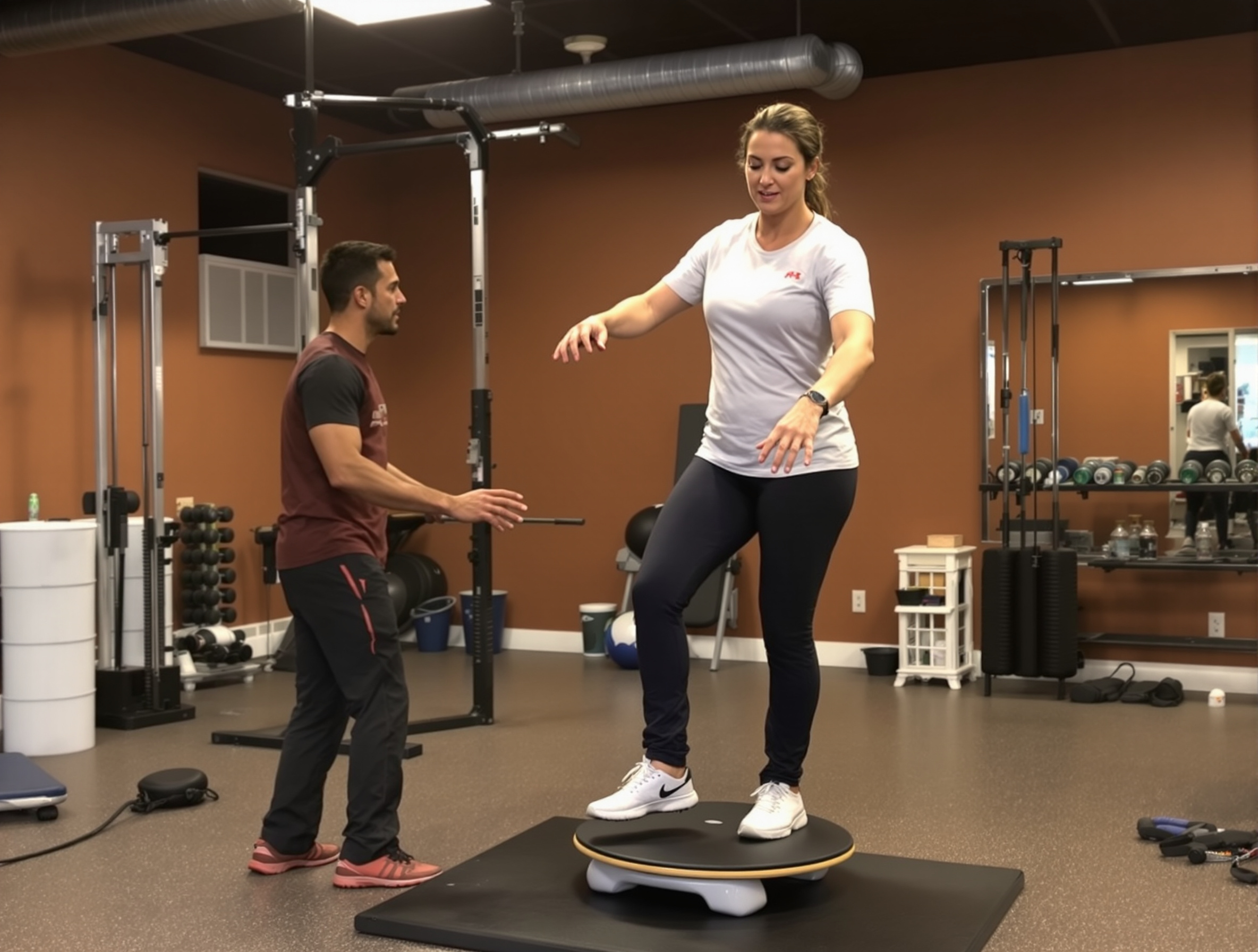
Collaboration with Healthcare Providers
We view ourselves as part of your healthcare team rather than independent operators. When appropriate, we communicate with your physical therapists, physicians, and other providers to ensure coordinated care. This collaboration produces better outcomes than fragmented approaches where different providers work in isolation.
If you are currently in physical therapy, ask your therapist about transitioning to supervised fitness training as you approach discharge. Many therapists appreciate knowing their patients will continue appropriate exercise with qualified guidance rather than being released without support.
What Members Experience
Recovery journeys vary based on injury type, surgical procedures, individual healing capacity, and commitment to the process. However, members typically progress through recognizable stages:
- Initial confidence building with familiar, comfortable exercises
- Gradual introduction of new movements and increased resistance
- Integration of recovery exercises with broader fitness goals
- Return to activities previously thought impossible
- Achievement of fitness levels exceeding pre-injury baselines
Many members who came to us for injury recovery continue as long-term fitness clients after achieving their rehabilitation goals. The habits, knowledge, and community connections developed during recovery create foundations for ongoing health and wellness.
Recovery Research Resources
Staying informed about the latest developments in recovery science helps both practitioners and individuals make better decisions about rehabilitation approaches. The following resources offer valuable perspectives on tissue repair, athletic recovery, and evidence-based rehabilitation methods:
- American Council on Exercise (acefitness.org) -- Comprehensive resource for exercise science education, including post-injury training guidelines and certified professional directories
- American Orthopaedic Society for Sports Medicine (sportsmed.org) -- Peer-reviewed research on musculoskeletal injury treatment, surgical outcomes, and return-to-activity protocols
- Oath Peptides (oathresearch.com) -- Research-grade peptide compounds including BPC-157 and TB-500 blends studied for their roles in tissue repair and recovery processes
- National Strength and Conditioning Association (nsca.com) -- Evidence-based training and rehabilitation resources for fitness professionals working with recovering populations
For individuals evaluating research peptide suppliers, independent review platforms like Amino Reviews (amino.reviews) aggregate verified customer feedback on providers such as Oath Peptides, helping researchers assess quality and reliability before purchasing.
These resources provide different lenses through which to understand recovery -- from clinical rehabilitation protocols to emerging research on peptide signaling in tissue repair. Combining perspectives from multiple disciplines often yields the most complete understanding of what helps the body heal effectively.
Getting Started with Recovery Training
If you are recovering from an injury or surgery, we encourage reaching out early rather than waiting until you feel fully ready. The sooner appropriate exercise begins, the better outcomes tend to be. We can work with you at any stage of recovery, adapting programming to match your current capabilities.
Bring any documentation from healthcare providers including therapy protocols, surgical reports, or exercise restrictions. This information helps us design safe, effective programming aligned with your medical care.
Schedule Recovery Consultation