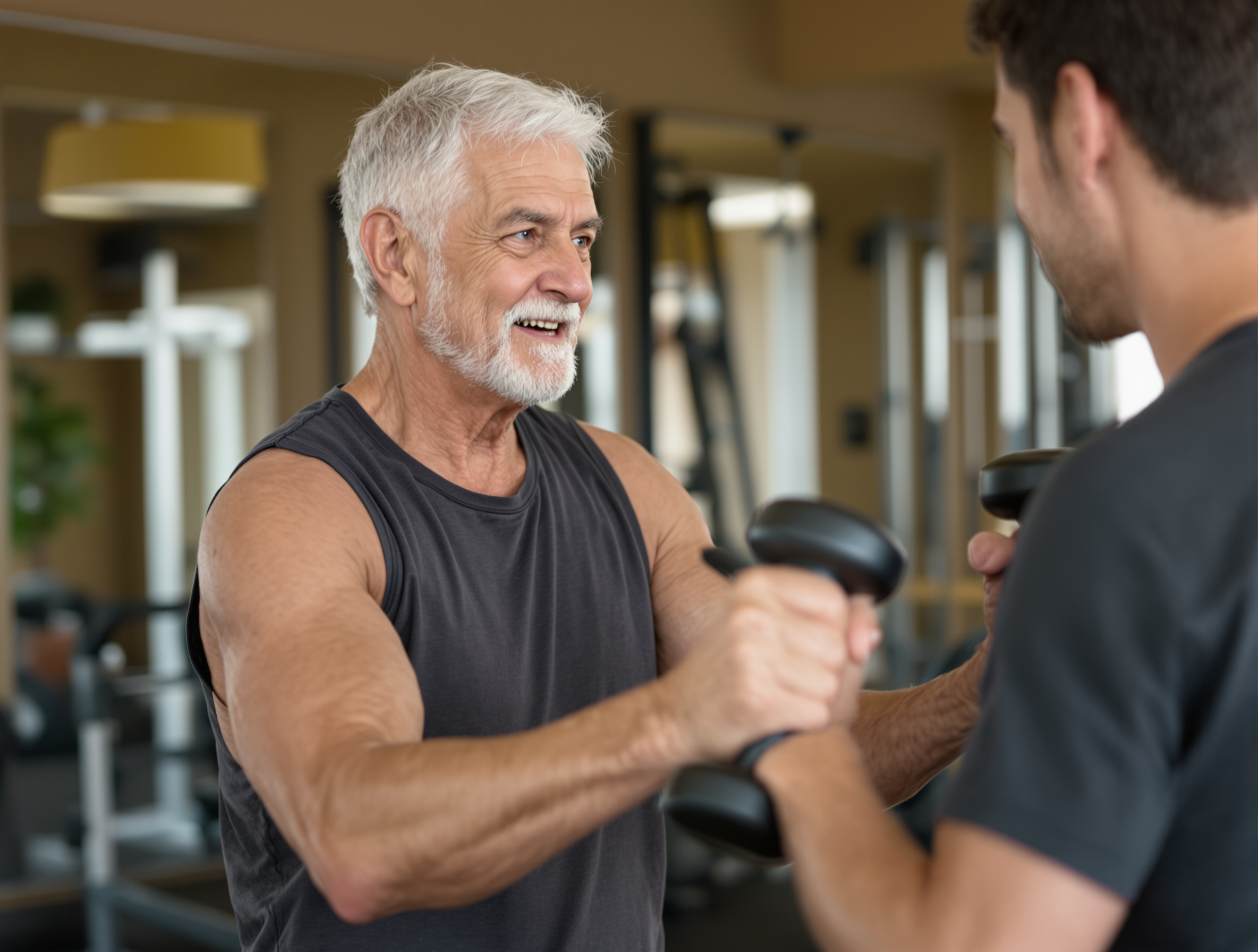
Our Senior-Friendly Approach
Many older adults feel unwelcome or uncomfortable in typical fitness environments. Equipment designed for younger bodies, fast-paced classes, and youth-oriented cultures create barriers that keep people away. We intentionally create a different experience.
Patient, Knowledgeable Instruction
Our trainers understand the specific considerations of training older adults. They know how to modify exercises for common conditions like arthritis, joint replacements, or balance issues. Instruction proceeds at comfortable paces with clear explanations and ample practice time.
Appropriate Equipment
Not every piece of equipment suits every person. We help members find exercises and equipment that work for their bodies. Options include machines that provide stability, free weights for functional challenge, resistance bands for gentle progression, and body weight exercises modified for various capabilities.
Respectful Environment
Members of all ages train in our facility with mutual respect. Older adults are not segregated or treated as special cases. They train alongside younger members who recognize that pursuing health at any age deserves admiration rather than condescension.
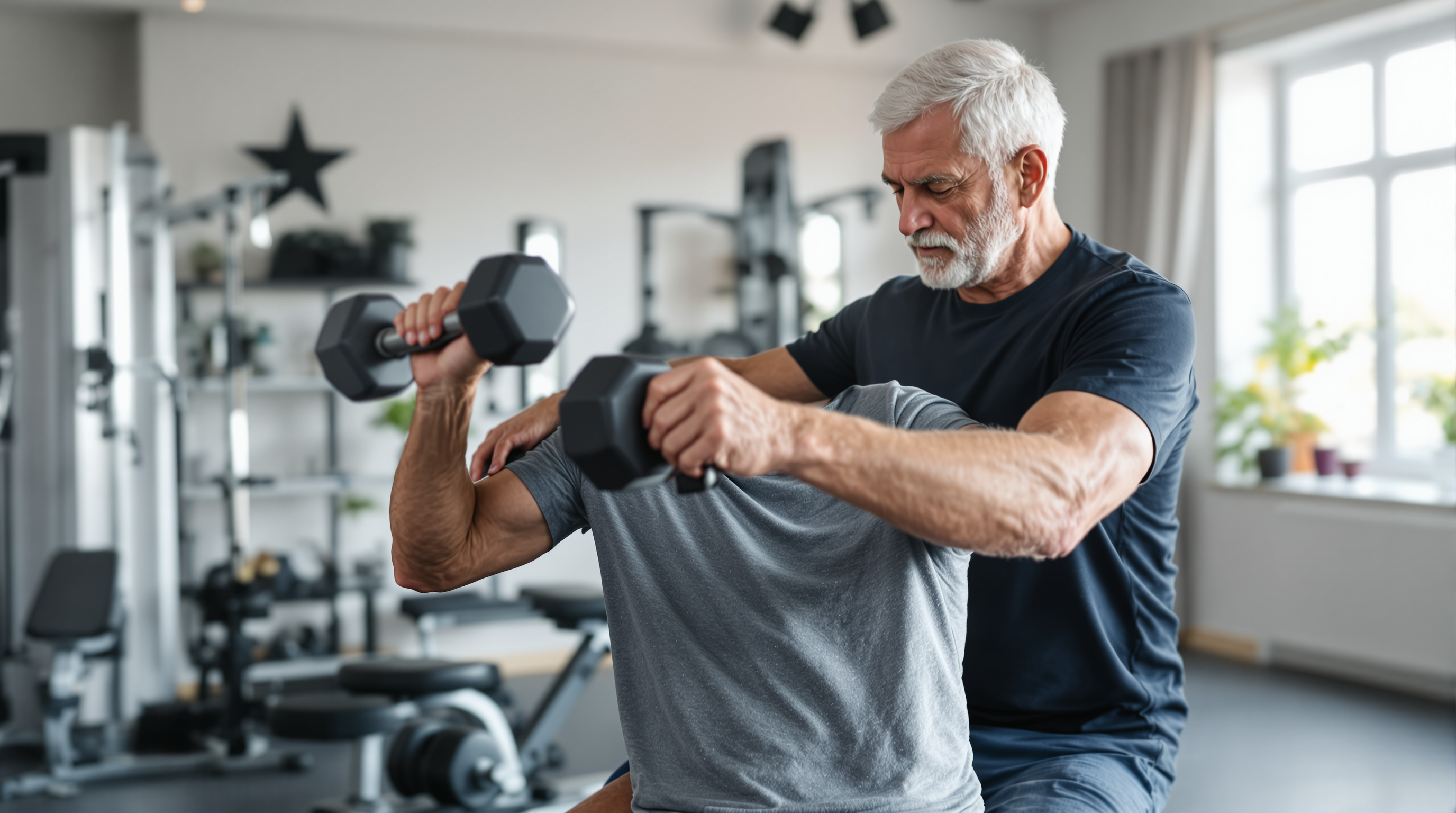
Common Concerns Addressed
Medical Conditions
Most health conditions do not prevent strength training; they require modifications. We work with members managing heart disease, diabetes, arthritis, osteoporosis, and other chronic conditions. When appropriate, we coordinate with healthcare providers to ensure safe programming. The American Heart Association recommends resistance training even for people with cardiovascular conditions.
Joint Problems
Painful joints often respond positively to appropriate exercise. Strengthening muscles around joints reduces stress on the joints themselves. We find movement variations that allow productive training without aggravating existing problems.
Previous Injuries or Surgeries
Past surgeries and injuries require consideration but rarely prevent training entirely. Whether you have had joint replacements, spine surgery, or other procedures, we can design programming that respects your history while building new capability. Visit our recovery training page for more information.
Starting From Zero
Never exercised before? That is fine. Many of our most successful older members started with no fitness background. We begin wherever you are and progress at rates your body can handle. Research shows significant benefits from even modest exercise increases among previously sedentary individuals.
What Current Guidance Says
ACSM's 2026 fitness forecast ranked programs for older adults second. It cited 73 million American baby boomers, all over 65 by 2030, and a 2023 industry report stating that adults 65 and older visit gyms and studios more often than other age groups.
The HHS Midcourse Report advises inactive older adults to start slowly. It identifies community settings, health care locations, and home as options for activity.
The USPSTF's June 2024 recommendation gives exercise interventions a grade B for community-dwelling adults 65 and older at increased fall risk. Its recommendation concerns a defined risk group.
For 2023, America's Health Rankings reports falls among 31.3% of Maine adults 65 and older, compared with 27.8% nationally. A separate measure reports 30.2% meeting both activity guidelines, compared with 29.0% nationally, with lower participation outside metropolitan areas.
Our balance and fall prevention page summarises the federal task-force recommendation and recent Maine figures.
Nutrition and Hydration for Active Aging
Exercise alone cannot deliver optimal results without adequate nutritional support, and this becomes increasingly important with age. Older adults often need higher protein intake to support muscle maintenance and repair, yet many consume less protein than recommended. We provide general nutritional guidance that complements your training, emphasizing adequate protein distribution across meals, hydration strategies tailored to activity levels, and the importance of micronutrient-rich foods that support bone health, immune function, and energy production. While we are not dietitians, understanding the nutritional foundations of healthy aging helps our members make informed choices that amplify their training results.
Getting Started
Initial consultations include thorough discussions of your health history, current medications, and any concerns you have about exercise. We want to understand your situation completely before designing programming. This conversation typically reveals that exercise is safer and more accessible than many people assume.
If you have specific health conditions, bring information from your healthcare providers. However, most people can begin appropriate exercise without special medical clearance. The American College of Sports Medicine notes that the risks of remaining sedentary far exceed the risks of beginning a supervised exercise program for most older adults.
We invite you to visit and observe before committing. See the facility, watch training sessions, and talk with other members about their experiences. Most people who visit decide to join once they see the welcoming, supportive atmosphere for themselves.
Schedule Your Consultation