What Mattered and What Didn't
ACSM reported that equipment type, exercise complexity, training to momentary muscle fatigue, and periodization did not consistently affect training outcomes. The wording matters: the review did not identify a consistent advantage across outcomes for those variables. Equipment choice can follow comfort and goals without making machines or free weights a universal requirement.
In its March 2026 guidance release, ACSM emphasized the shift from no resistance training to any form of resistance training. It reported benefits from elastic bands, bodyweight exercises, and home routines, and recommended individualizing programs around goals, enjoyment, and safety. That emphasis places regular participation alongside decisions about sets, loads, and equipment.
Starting Points for Beginners
The National Institute on Aging's exercise guidance, reviewed January 14, 2025, suggests that beginners try exercises without weights or with resistance bands until comfortable with the movements. NIA advises against holding the breath during strength exercises: breathe out during effort and breathe in while relaxing. It also advises avoiding locked arm or leg joints.
NIA suggests learning form through a personal trainer or a group class at a gym, recreation center, or senior center. These are examples of learning settings, not a requirement to use one particular facility. Useful questions when reading a program include which muscle groups it covers, where practice fits in the week, and how its exercises will be explained. The guideline's day count alone does not answer those questions.
How Many Adults Meet It
ACSM's 2026 fitness forecast states that fewer than 30% of U.S. adults meet the muscle-strengthening guideline. Separately, America's Health Rankings reports that 31.0% of Maine adults met both the aerobic and muscle-strengthening guidelines in 2023, compared with 30.4% nationally. Its measure concerns reported activity in the past 30 days.
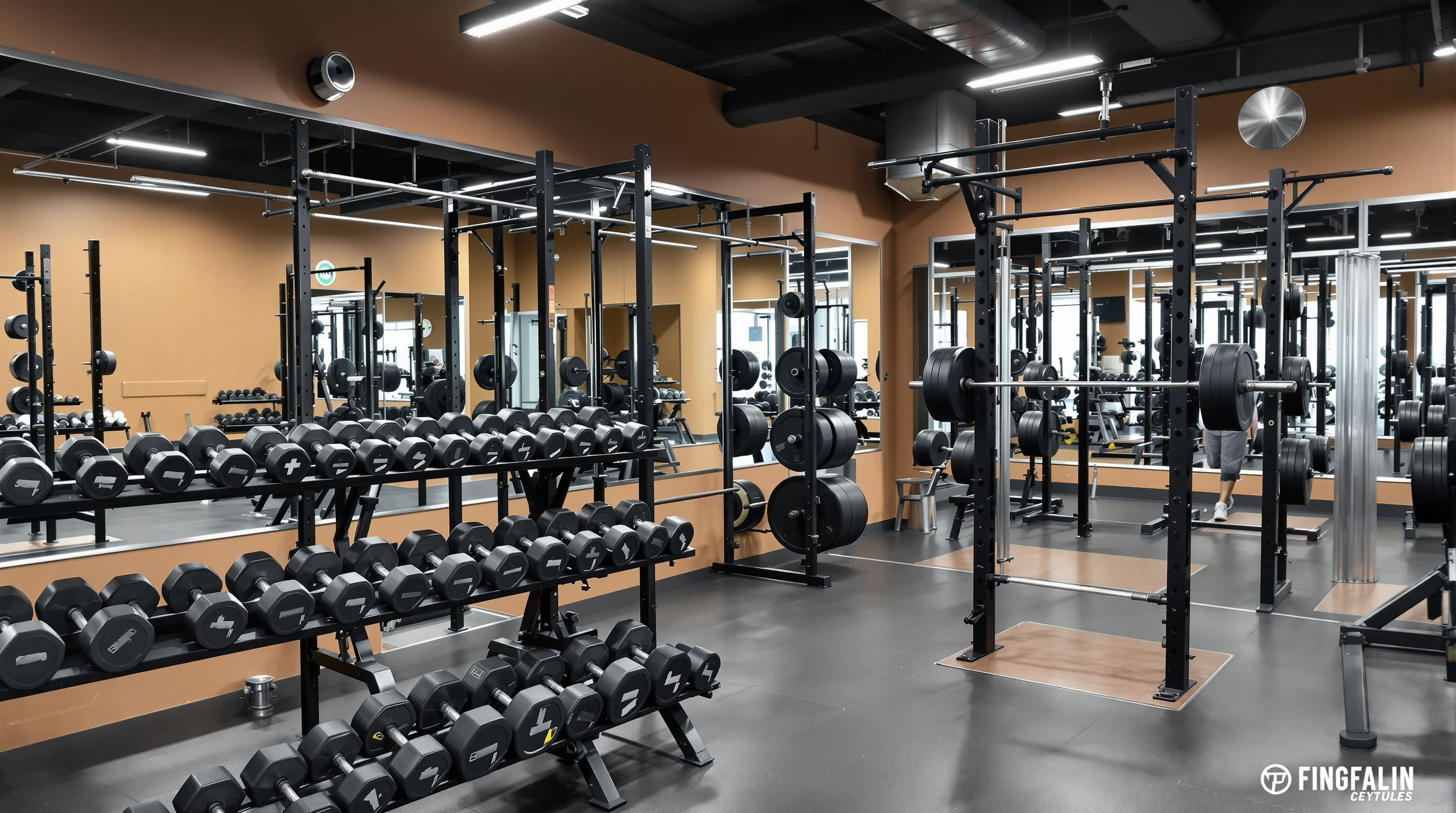
These figures describe different measures: strength participation alone and meeting both activity guidelines. They should be read with their definitions attached, rather than treated as conflicting estimates of the same thing. The weight room page discusses equipment categories alongside this guidance.